You've seen the prices. Your first reaction was "what's the catch?"
Good. That's the right question.
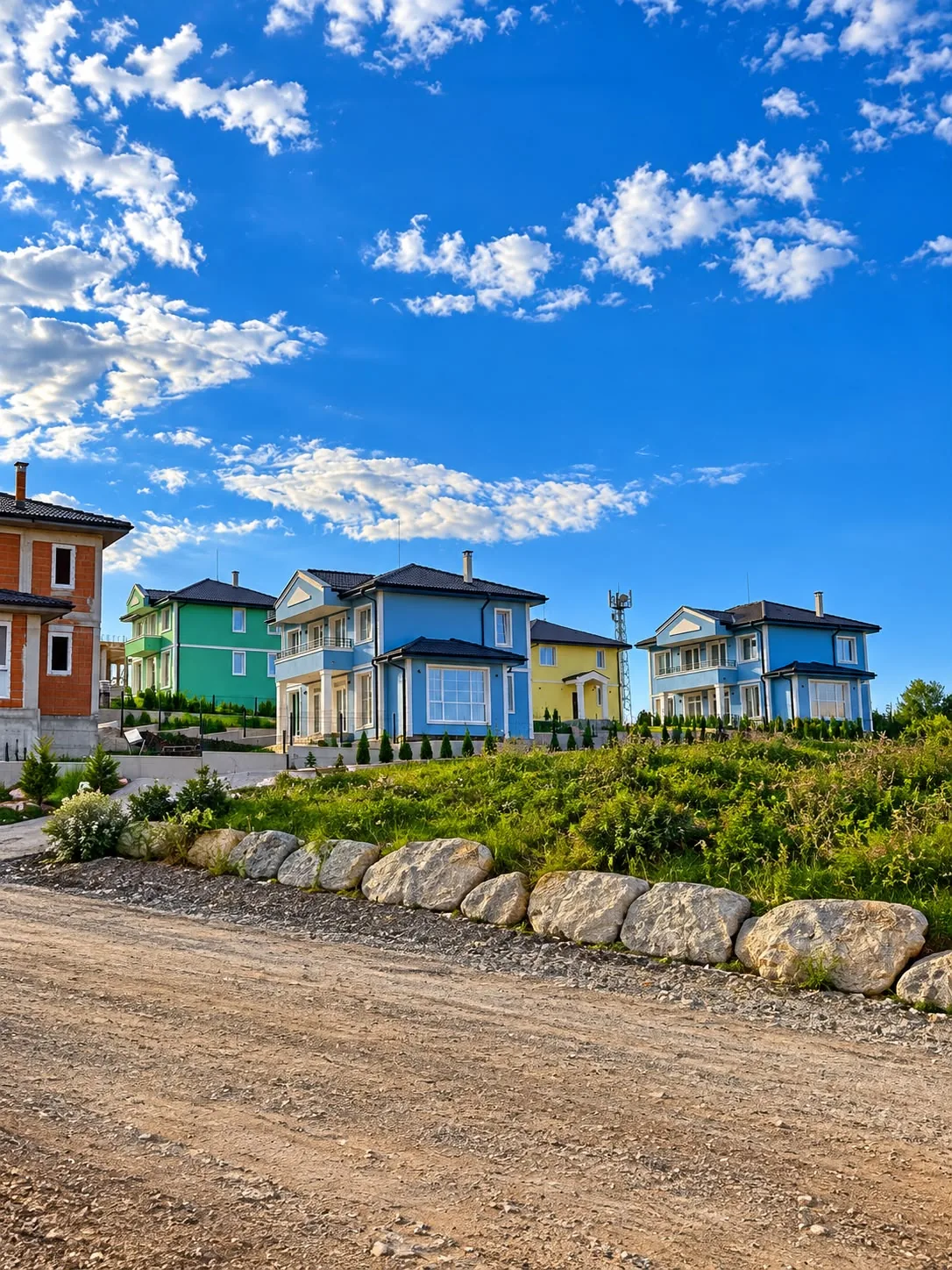
A new house — 141 to 227 square metres, a real garden, twenty minutes from Burgas and the Black Sea — for the price of a kitchen renovation and a parking space in Munich. Somewhere in your head, an alarm goes off. Alarms like that have saved a lot of people a lot of money over the years, so we're not going to ask you to switch it off. We're going to answer it.
The boring answer (which happens to be true)
Nothing is wrong with Bulgaria. Something is simply late about it — and lateness, in property, is another word for opportunity.
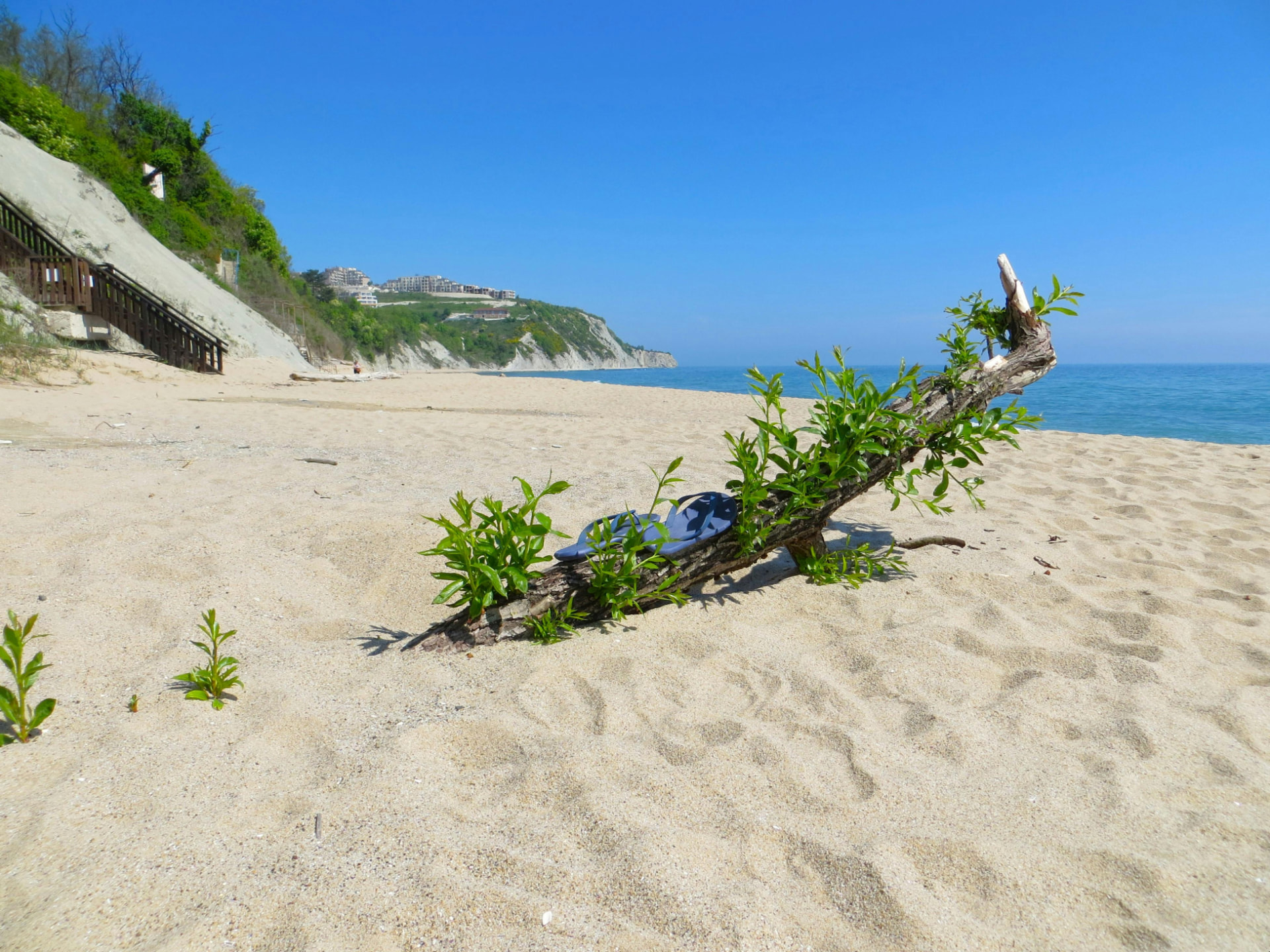
Start with the map. The southern Black Sea coast sits on the same latitude as the French Riviera, with the same long summers and the same September light. But for fifty years it was on the quiet side of a divided continent, so while Spain spent four decades selling its coastline to the rest of Europe, this one waited. Bulgaria today is roughly where the Costa Blanca was in the 1980s — except with EU law, EU building standards, and since January 2026, the euro. Your purchase, your paperwork, and your resale now live in the same currency as your salary.
Then the arithmetic. A house is mostly land and labour, and both still cost a fraction here of what they cost on any western coast. According to Eurostat, housing in Bulgaria runs at about 41% of the EU average price level — in the Republic of Ireland, for comparison, it's 190%. Same union, same currency, wildly different price tags. That gap is closing year by year. It has not closed yet.
That's the whole mystery. Not a catch — a clock.
So what IS the catch?
There is one, and pretending otherwise would insult your intelligence.
The catch is distance. Not in kilometres — Burgas has an international airport, and most of Europe is a short flight away. The real distance is familiarity. You'd be buying in a country where you don't read the alphabet, don't know the notary system, and can't immediately tell a solid developer from a man with a rendering and a dream. That's a real concern. It's also exactly why prices stayed this reasonable for this long.
But here is what nobody tells you about that distance: it cuts both ways.
Being a flight from Frankfurt also means being a flight from everything the big European cities are currently tired of. The Burgas coast runs on a smaller-town rhythm — the kind where you walk home from a late dinner without once thinking about your route, where kids still cycle to the beach on their own, and where the evening news is mostly weather and football. This isn't nostalgia; it's on record. The US State Department places Bulgaria in its safest travel category — Level 1 — a tier above Germany, France and the United Kingdom. Read that sentence again slowly. It surprises everyone, and it has been true for years.
The same logic applies to your monthly bills. Eurostat ranks Bulgaria as the most affordable country in the entire EU — overall prices about a third below the European average, restaurants at roughly half. Lunch by the sea costs what a coffee and a croissant cost at home. So yes — it's far. Far from congestion charges, far from €19 salads, far from the particular tension big cities have picked up lately. Some things are worth being far from.
And the part you'll actually judge us on
Trust isn't claimed, it's shown. So: every one of the 60+ homes we've delivered is visible on Google Maps satellite view — real roofs, real gardens, real cars in real driveways. Not renders. Every buyer gets a 10-year structural warranty, complete legal documentation, and a named after-sales contact who picks up the phone in your language, years after the keys change hands.
And we actively encourage you to hire your own independent Bulgarian lawyer — not one we suggest, one you find. A seller who fears your lawyer is telling you something. We aren't, so we don't.
If you've only got eight seconds, here is the whole article:
- Why us? Sixty-plus homes you can find on satellite before you ever find our office.
- Why Bulgaria? The EU's most affordable coastline, in its safest travel tier, now paying in euros.
- Why now? The first collection sold out at €148,000. The current one is 6 of 20 and counting.
What the numbers look like from your side of the table
Our first collection — 164 m² houses with 550 m² gardens and a parking space — sold out at €148,000, VAT included. Every one built, delivered, and lived in. We mention it because delivered houses are the only argument that means anything in this business.
The current collection is twenty houses, three models, from €1,100 per square metre: the 141 m² from €155,100, the 170 m² from €187,000, and the 227 m² from €249,700. Six are already sold; fourteen remain. Prices will move as construction advances, because in this business they always do, and the first six buyers understood that early is when the arithmetic is kindest. If you'd rather have the city than the garden, our Burgas apartments start from €1,000/m² at early construction stage — which, translated from developer language, means the best floors and the best views are still unclaimed. For now.
The morning this is all for
Here's the part no spreadsheet captures. Some September morning — after the notary, after paperwork you'll be quietly surprised was this orderly — you'll carry a coffee into your own garden. Burgas and the sea are twenty minutes away and the air already knows it. Your phone will show the weather back home, and you'll look at it the way you look at old photographs.
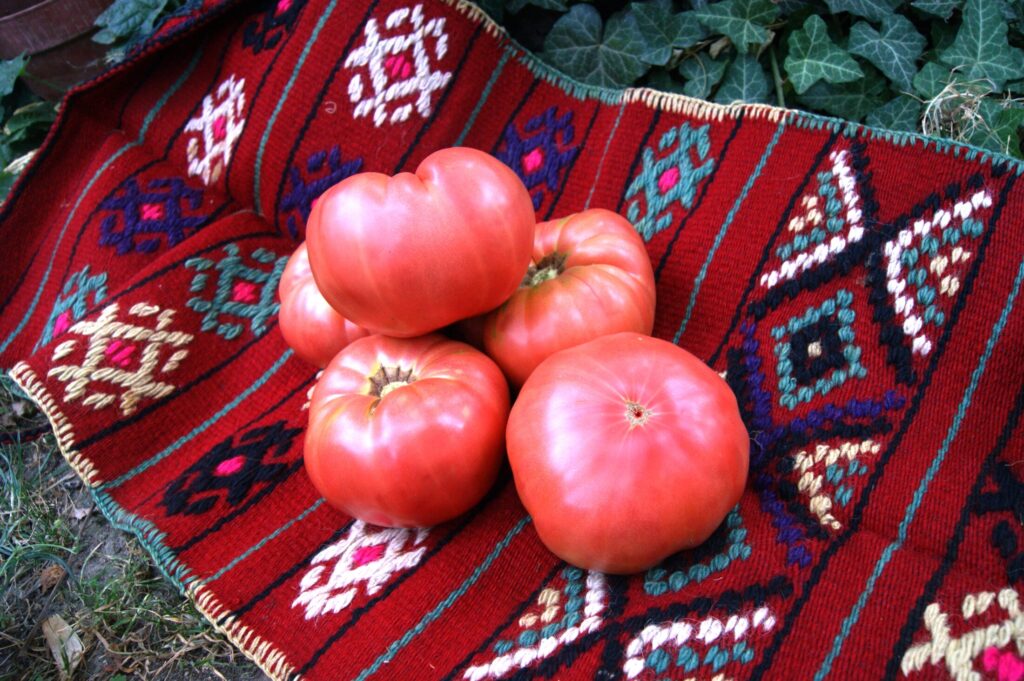
At the Saturday market, the famous Bulgarian pink tomatoes will cost about two euro a kilo, and they'll taste the way tomatoes tasted when you were a child. You'll walk home slowly, because here you can. You'll run the numbers again, the way you're running them now — and they'll still work. Except by then it won't feel like arithmetic anymore. It will feel like the obvious thing you almost talked yourself out of.
That alarm in your head was right to go off. Its job was to make you ask the question.
You asked. This was the answer.